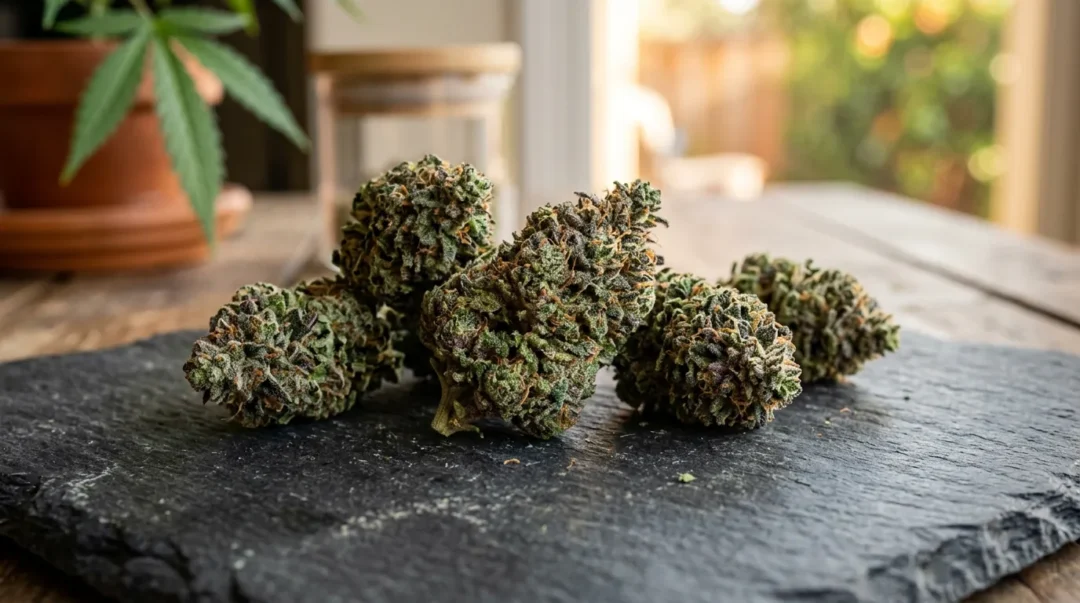
For years, indoor-grown CBD flower held an uncontested position at the top of the American hemp market. The logic was straightforward: controlled environments, dialed-in lighting schedules and year-round production cycles meant consistent product, reliable cannabinoid percentages and the kind of dense, trichome-heavy buds that photographs well and sells fast. Sungrown hemp was the budget option, the discount bin alternative for buyers who could not afford premium.
That framing has shifted considerably, and the shift is not marketing. It reflects genuine changes in how serious hemp buyers evaluate quality, a growing body of agronomic knowledge about what outdoor and greenhouse cultivation actually produces when done well, and a broader cannabis culture moment in which natural provenance has become a genuine selling point rather than a consolation prize. If you want to explore what premium sungrown cultivation produces at its best, you can buy CBD flowers here and compare across cultivation types directly.
What Sungrown Actually Means and Why It Matters
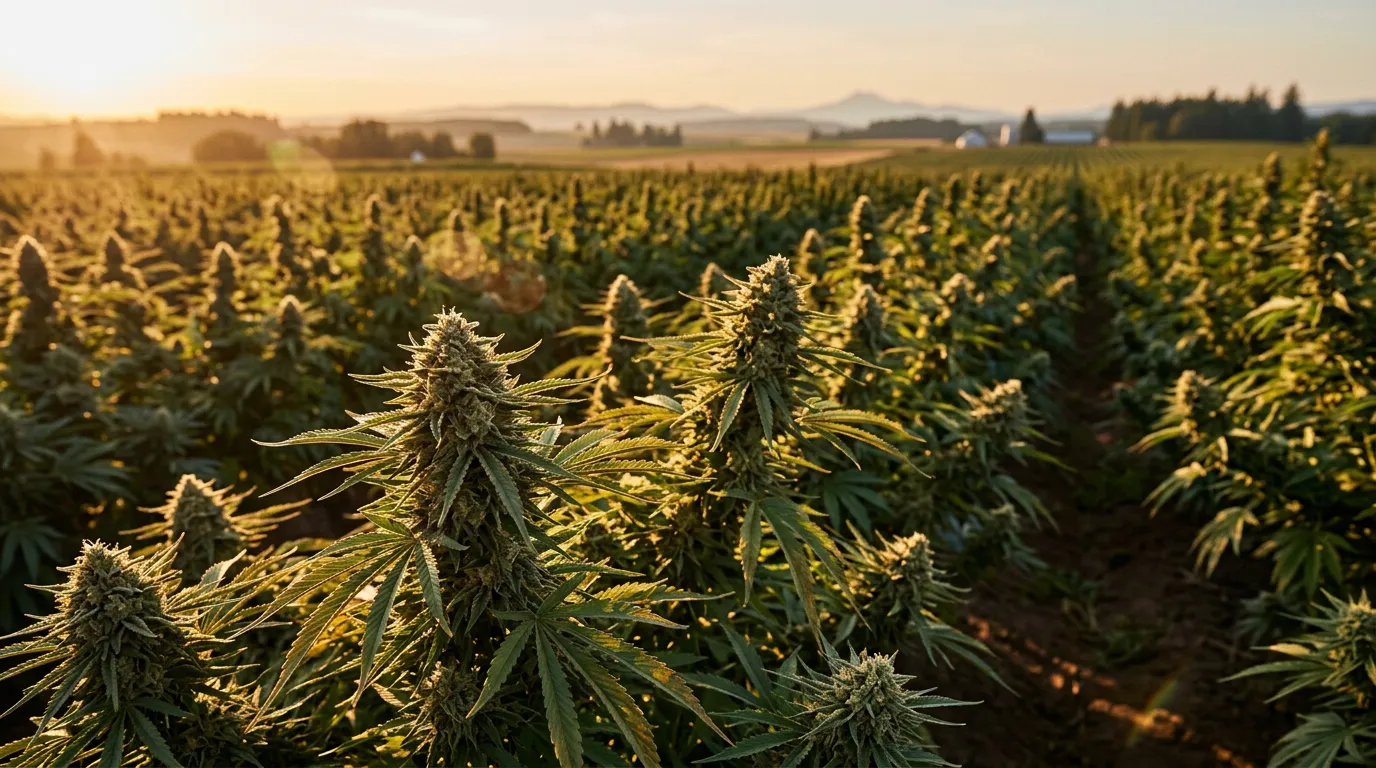
The term sungrown covers two distinct cultivation approaches that are often conflated but produce meaningfully different results. True outdoor hemp is grown directly in open fields under natural sunlight with no supplemental lighting, fully exposed to seasonal weather patterns, soil microbiology and the full spectrum of the sun’s light output. Greenhouse hemp, sometimes called light-dep or light deprivation when the photoperiod is manipulated, is grown under glass or poly-tunnel structures that protect plants from adverse weather while still allowing natural light to do the primary photosynthetic work.
Both approaches share one fundamental advantage over indoor cultivation: the full spectrum of natural sunlight. The sun produces a light output that covers a range of wavelengths no artificial grow light yet fully replicates at commercial scale, including UV-B radiation that has been shown in multiple agricultural studies to stimulate terpene and secondary metabolite production in cannabis and hemp as a stress response. Plants that produce terpenes in response to UV stress produce more of them, and more complex terpene profiles, than plants grown under the more uniform spectral output of HPS or LED fixtures.
The Soil Factor That Indoor Cannot Replicate
Beyond light, soil biology is the second major advantage of quality outdoor cultivation and the one that is hardest to replicate artificially. Living soil grown in open ground contains bacterial communities, mycorrhizal networks and organic matter profiles that have developed over decades or centuries, and the interaction between hemp roots and this biological ecosystem produces a complexity of mineral uptake and organic compound synthesis that sterile growing media simply cannot match.
The best American sungrown hemp operations have understood this for years and have invested heavily in soil health, cover cropping, composting and regenerative practices that build rather than deplete the biological activity in their fields. The terpene complexity in the best sungrown CBD flowers from these operations reflects that investment in a way that shows clearly in the cup and on the nose.
The Terpene Argument for Sungrown Hemp
The quality argument for sungrown CBD flower is primarily a terpene argument rather than a cannabinoid argument. Indoor cultivation reliably produces higher CBD percentages per gram of flower, and this metric still dominates how many buyers and retailers evaluate hemp. But experienced consumers have increasingly recognized that the percentage number on the lab report tells them relatively little about what a flower actually smells like, how it smokes or what kind of effect it produces.
Terpene-forward evaluation, which looks at the diversity and concentration of the aromatic compounds rather than raw cannabinoid percentage, consistently favors well-grown sungrown hemp over indoor in comparative tasting contexts. The limonene, beta-caryophyllene, myrcene and linalool profiles in quality outdoor and greenhouse hemp are frequently richer and more complex than in indoor equivalents, even when the indoor flower tests higher for CBD.
How US Producers Are Closing the Quality Gap With Indoor
The persistent criticism of outdoor hemp has been consistency: sunlight, rainfall and temperature vary, and so does the product from season to season and field to field. The best American sungrown operations have addressed this through cultivar selection, soil management and harvest timing protocols that minimize the variance between batches without sacrificing the characteristics that make outdoor hemp worth growing in the first place.
Greenhouse cultivation adds another layer of control by buffering against the worst weather variables while retaining natural light as the primary energy source. The best greenhouse CBD flowers currently available in the American market represent the closest convergence point between the consistency advantages of indoor and the terpene complexity advantages of outdoor, and they are increasingly the format that premium buyers seek out when they understand what they are looking for.
The Price Reality of Sungrown CBD Flower in 2026
Sungrown hemp’s historical price advantage over indoor is real but has narrowed at the premium end of the market. As the quality of the best outdoor and greenhouse operations has risen and the market has developed more sophisticated buyers capable of recognizing and paying for that quality, price premiums for genuinely exceptional sungrown hemp have increased.
The practical price reality for buyers in 2026 is that the sungrown category now spans a wider range than at any point in the market’s history. Entry-level outdoor hemp remains a budget option with significant quality variation. But the top tier of American sungrown production, particularly from well-established cultivars grown in premium agricultural regions like the Willamette Valley in Oregon, the Champlain Valley in Vermont or the mountain regions of Colorado, commands prices that reflect genuine quality rather than simply a cultivation method.