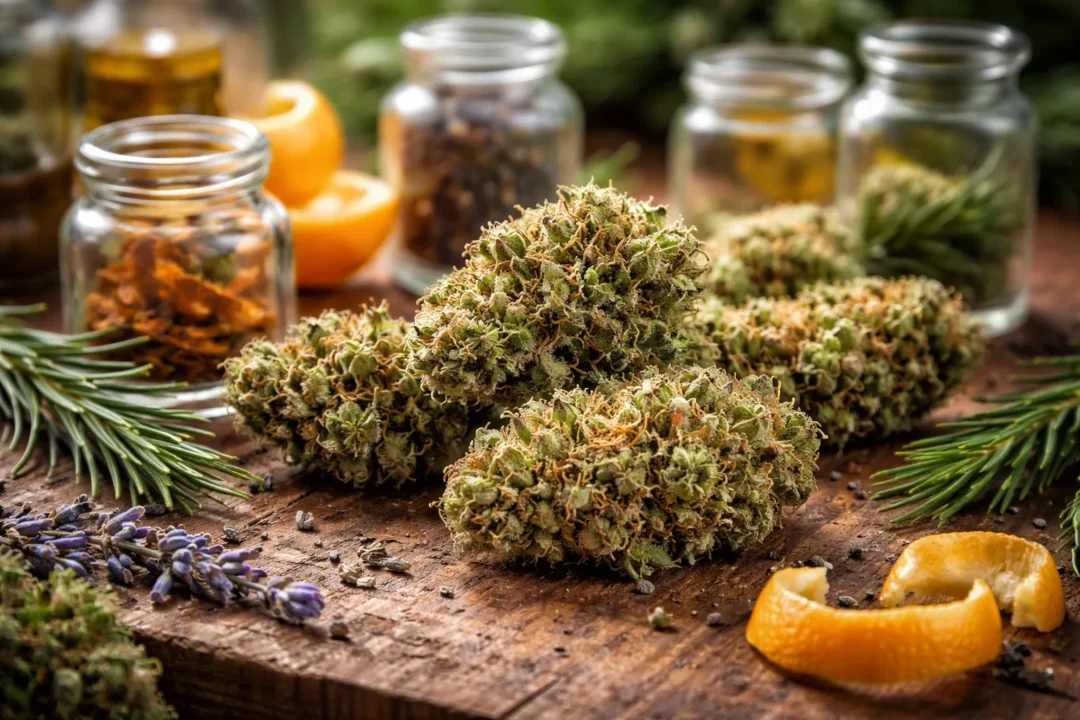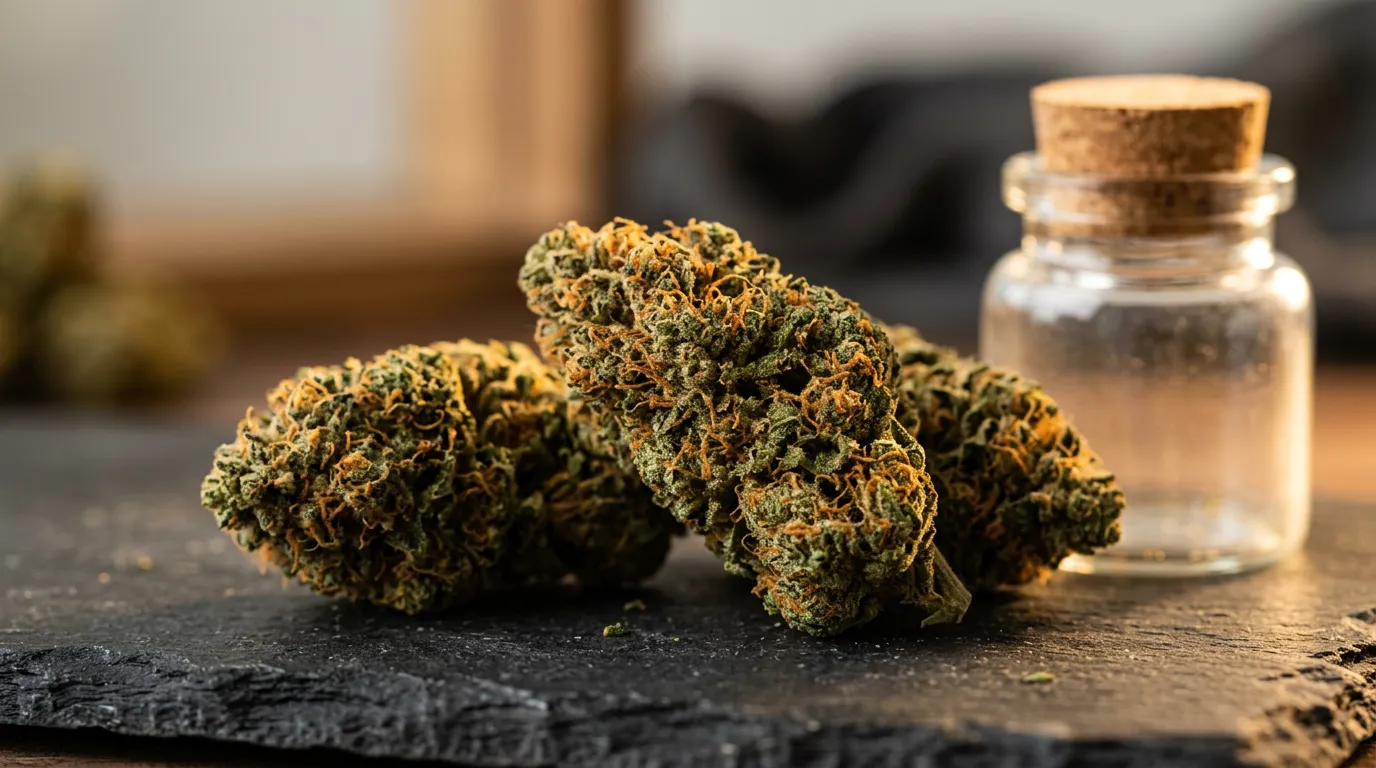
Few strains in the history of cannabis have achieved the cultural and genetic status of OG Kush. Originally developed in the underground cannabis scene of Southern California in the early 1990s, OG Kush went on to become the genetic foundation from which hundreds of modern hybrid varieties were built, including some of the most recognized names in contemporary cannabis culture: Girl Scout Cookies, Gelato, Sherbet, and Runtz all trace significant portions of their genetic heritage back to this single strain. In its CBD-compliant hemp version, OG Kush retains the aromatic complexity and trichome density that made the original so celebrated, and it remains one of the most sought-after CBD flower varieties among consumers who prioritize genuine genetic character over generic industrial hemp profiles.
If you are looking for the best quality OG Kush CBD available, you can find it here: https://cbdissimo.com/produit/og-kush-cbd/. CBDISSIMO is one of Europe’s most established CBD shops, known for sourcing authentic genetics, publishing full third-party laboratory certificates for every product, and maintaining consistent quality standards across its entire flower selection. Their OG Kush CBD is a genuine expression of the strain’s terpene heritage and not a generic hemp product dressed up with a famous name.
The origin story of OG Kush
The origin of OG Kush is one of the most debated topics in cannabis history, with multiple competing accounts of how the strain came to be and what the OG in its name actually stands for. The most widely accepted account traces the strain to a collaboration between grower Josh D in Los Angeles and Matt Bubé, who brought a Chemdawg cutting from a Grateful Dead concert in Florida to the West Coast in the early 1990s. Josh D stabilized and developed the phenotype that became known as OG Kush through crosses with a Lemon Thai and Pakistani Kush hybrid, producing the dense, trichome-covered phenotype with its characteristic fuel and citrus aromatic profile.
The meaning of OG has been debated for decades. The most commonly cited explanation is Original Gangster, reflecting the strain’s status as an authentic original in the Los Angeles cannabis scene before the era of commercial dispensaries. Others have argued it stands for Ocean Grown, a reference to the maritime climate of Southern California’s coast that some believe contributed to the strain’s unique expression. Whatever the etymology, the designation OG has become a badge of authenticity in cannabis culture that is widely used and rarely awarded.
OG Kush became the dominant strain in Southern California’s dispensary market from the mid-2000s onward, driven by its reproducible potency, distinctive aroma and its exceptional performance as a breeding parent. The strain won the Cannabis Cup in 2012 and has appeared in more song lyrics, music videos and cultural references than any other named cannabis variety, cementing a cultural status that has no equivalent in the plant world outside of perhaps the most iconic grape varieties in winemaking.
The terpene profile that defines OG Kush
Understanding OG Kush through its terpene profile is the most precise way to characterize what makes this strain genuinely distinct from the hundreds of varieties that share its name without sharing its genetics. The authentic OG Kush expression is defined by a specific combination of dominant terpenes that produces its characteristic aroma, immediately recognizable to anyone who has encountered a genuine expression of the strain.
Limonene is typically the most abundant terpene in authentic OG Kush, responsible for the sharp citrus notes that cut through the earthier elements of the profile. Limonene is associated with mood-elevating and anxiolytic properties in preclinical research, and its dominance in OG Kush is one reason why the strain is often described as producing a more uplifting and mentally engaging experience than heavy indica-dominant varieties.
Myrcene is the second major component of the OG Kush terpene profile. This earthy, slightly fruity terpene is the most abundant terpene in most cannabis and hemp varieties, and in OG Kush it provides the heavy, resinous quality that underlies the strain’s characteristic depth of aroma. Myrcene has been associated with sedative and muscle-relaxing properties and is believed to enhance the permeability of the blood-brain barrier to other molecules.
Beta-caryophyllene is the third defining terpene, contributing the peppery and spicy notes that round out the OG Kush aromatic profile and give it its characteristic complexity. Beta-caryophyllene is unique among terpenes in that it directly binds to CB2 receptors in the endocannabinoid system, giving it cannabinoid-like properties that contribute to the anti-inflammatory and pain-modulating effects associated with the strain.
The fourth distinctive element is a fuel or diesel note that is harder to attribute to a single terpene compound and is thought to arise from the combination of caryophyllene oxide, humulene and specific sesquiterpene compounds present in the Chemdawg genetics that form part of OG Kush’s heritage. This fuel note is the most polarizing element of the OG Kush profile: it is immediately recognizable to those who know the strain and unexpected to those encountering it for the first time.
What distinguishes authentic OG Kush CBD from generic hemp
The term OG Kush appears on countless CBD flower products marketed in the United States and Europe, but the actual genetic and aromatic relationship between these products and the original OG Kush varies enormously. Understanding the difference between genuine OG Kush genetics in hemp form and a product that simply carries the name is essential for consumers who are making purchase decisions based on terpene profile and genetic character rather than just CBD percentage.
Authentic OG Kush CBD is produced from hemp plants bred from OG Kush cannabis genetics, either through selective breeding programs that maintain the key terpene-producing traits while ensuring THC content remains within legal limits, or through cultivation of hemp varieties that have been specifically selected for high limonene, myrcene and beta-caryophyllene expression in the proportions characteristic of OG Kush. The result is a CBD flower whose aroma, when opened, is immediately recognizable to anyone familiar with the original strain: sharp citrus over an earthy, resinous base with that distinctive fuel note underneath.
Generic hemp products labeled as OG Kush frequently show terpene profiles that are dominated by myrcene with limited limonene and caryophyllene, producing an earthy but undistinctive aroma that bears little relationship to the authentic strain. The simplest way to verify authenticity is through the terpene panel of the laboratory certificate: an authentic OG Kush CBD should show limonene as a dominant terpene, with beta-caryophyllene present in meaningful concentration, and the fuel note components should be detectable in the full terpene profile.
How to consume OG Kush CBD to preserve the terpene profile
The consumption method affects which terpenes are expressed and at what intensity, which is particularly relevant for a terpene-rich variety like OG Kush where the aromatic complexity is a central part of the experience.
Vaporization at temperatures between 160°C and 180°C preserves the most volatile terpenes, including limonene, which begins to evaporate at relatively low temperatures. This range allows the full citrus and lighter aromatic elements of the OG Kush profile to be expressed before the heavier sesquiterpenes and plant material compounds are mobilized at higher temperatures. Starting sessions at the lower end of this range and gradually increasing temperature is the most effective way to experience the full aromatic progression of an authentic OG Kush expression.
Smoking destroys a significant proportion of the terpene content through combustion, which is why the aromatic experience of smoked OG Kush CBD is typically less nuanced than the vaporized equivalent. The characteristic fuel note is more pronounced when smoked, as combustion products contribute additional hydrocarbon notes that mask the more delicate citrus elements of the profile.
Storage has a direct impact on terpene preservation. Terpenes are volatile compounds that degrade with exposure to heat, light and oxygen. OG Kush CBD stored in an airtight glass jar in a cool, dark location will maintain its characteristic terpene profile significantly longer than the same product stored in plastic packaging or exposed to ambient light.
Why OG Kush genetics have remained dominant for three decades
The durability of OG Kush as a reference variety across three decades of cannabis and hemp breeding is not accidental. It reflects specific genetic characteristics that make OG Kush an exceptionally versatile and productive breeding parent whose traits are consistently transmitted to offspring.
The terpene expression of OG Kush is genetically dominant, meaning that crosses involving OG Kush reliably produce offspring with detectable OG aromatic characteristics even when crossed with very different parental varieties. This trait heritability is the reason why so many of the most celebrated hybrid varieties of the past twenty years carry OG Kush in their lineage: breeders could reliably use OG Kush to introduce its distinctive aromatic profile into new genetic combinations.
The resin production characteristics of OG Kush, including its exceptional trichome density and the distribution of trichomes across the entire surface of the flower rather than concentrated only on the calyx, make it a high-value parent for breeders focused on cannabinoid and terpene concentration. These production traits are also reliably inherited, which is why OG Kush descendants consistently rank among the highest-tested varieties for both THC and CBD concentration in their respective categories.