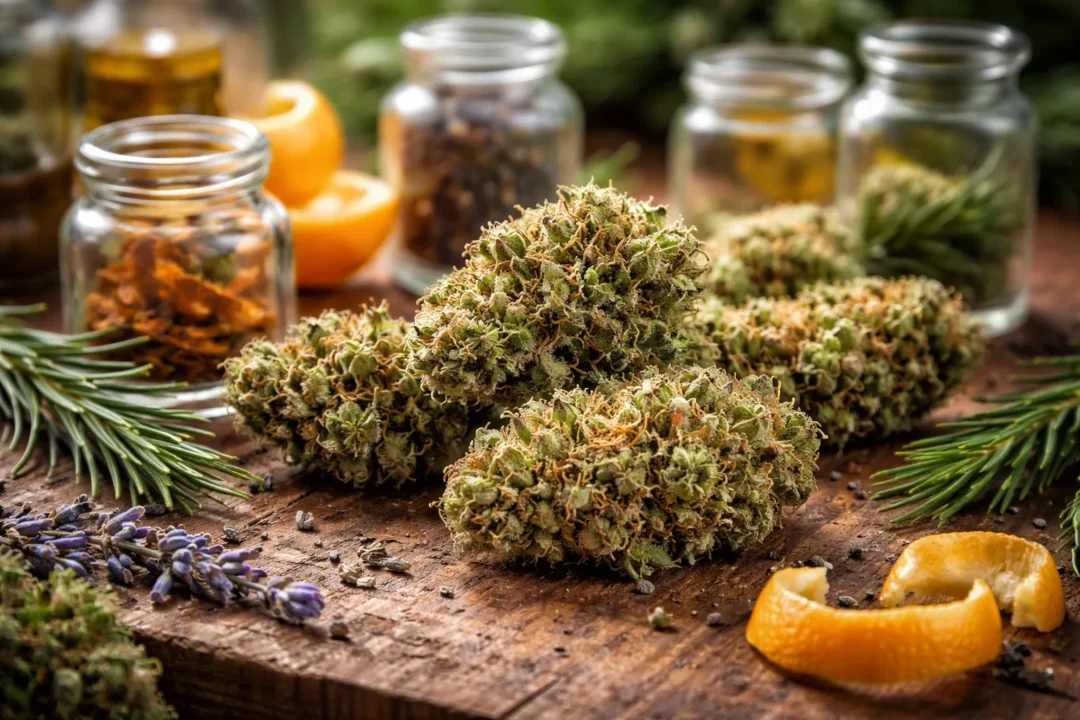
When it comes to purchasing CBD flowers, understanding the differences between outdoor and indoor hemp cultivation is essential, especially for budget-conscious buyers. The production method directly influences price, quality, and overall availability, helping consumers make informed decisions that align with both their needs and their wallets. Even when factoring in delivery, shipping CBD from the USA to the UK for cost savings is often more effective than buying premium indoor flowers locally. This is particularly true for those seeking quantity without paying exorbitant prices.
What Defines Outdoor and Indoor Hemp
Outdoor hemp is grown in natural conditions, exposed to sunlight, rain, wind, and soil nutrients without extensive human intervention. Its growth relies on climate and season, making yields dependent on environmental factors. Indoor hemp, on the other hand, is cultivated in controlled environments such as greenhouses or grow rooms. Temperature, humidity, lighting, and nutrients are carefully monitored to maximize potency and appearance.
These differences affect production costs. Outdoor hemp requires minimal equipment and less energy input, whereas indoor hemp needs substantial investment in lighting, ventilation, and climate control systems. This cost difference is reflected in the final price of the flowers.
Price Differences Between Outdoor and Indoor Hemp
Outdoor hemp is generally more affordable due to lower overheads. Farmers rely on natural resources, reducing electricity and equipment costs. Because of this, outdoor flowers often represent the best option for buyers who want larger quantities at a lower price point.
Indoor hemp, however, commands a premium. Controlled environments result in higher yields per square meter, more consistent cannabinoid levels, and visually appealing buds. These factors justify the higher price, making indoor flowers a preferred choice for consumers prioritizing quality over quantity.
Factors Influencing Outdoor Hemp Prices
Several factors affect outdoor hemp prices:
- Weather and Climate: Bad weather can reduce yields, affecting supply and pricing.
- Soil Quality: Nutrient-rich soil can increase potency and yield, while poor soil reduces quality.
- Pest and Disease Management: Outdoor crops are more susceptible to pests, which can increase production costs if farmers use organic or integrated pest management strategies.
- Harvesting Method: Manual harvesting improves bud quality but increases labor costs.
Despite these variables, outdoor hemp remains the more cost-effective option for budget buyers.
Factors Influencing Indoor Hemp Prices
Indoor hemp prices are influenced by factors like:
- Energy Costs: Artificial lighting, climate control, and ventilation are significant expenses.
- Labor and Expertise: Skilled growers are required to maintain ideal conditions and maximize yield.
- Advanced Technology: Sensors, irrigation systems, and other tech improve quality but raise costs.
- Controlled Quality: High-quality flowers with consistent cannabinoid levels can command higher prices.
Consumers who prioritize potency, flavor, and appearance often consider the extra cost worthwhile.
Budget Strategies for CBD Buyers
For buyers conscious of cost, understanding these price dynamics is key. Outdoor hemp provides an affordable option, especially when quantity is more important than visual perfection. Buyers can combine outdoor hemp purchases with occasional premium indoor flowers to balance budget and quality.
Additionally, considering international shipping options may further improve affordability. Sourcing from countries with lower production costs can yield significant savings, especially for bulk orders. Buyers should always account for shipping fees, customs duties, and taxes to get a true picture of total costs.
Quality Considerations
While outdoor hemp is more economical, its quality can vary more widely than indoor-grown flowers. Exposure to weather and pests can affect bud appearance and cannabinoid content. Buyers should look for lab-tested products to ensure consistent CBD levels and low THC content.
Indoor hemp offers consistency in both potency and appearance, often resulting in more visually appealing buds. This makes indoor flowers a favorite among connoisseurs and those prioritizing aesthetics and uniformity.
Delivery and Shipping Options
Shipping hemp internationally, particularly from the USA to the UK, has become more accessible. Reputable suppliers provide careful packaging and documentation to comply with customs regulations. While shipping adds cost, it often remains competitive compared to purchasing premium indoor flowers domestically. Tracking and insurance options further reduce the risk of loss or damage during transit.
For buyers prioritizing savings over immediate availability, ordering from international suppliers can make high-quality CBD more affordable. Careful selection of shipping options, alongside understanding import regulations, ensures a smooth experience.
Comparing Long-Term Costs
When evaluating outdoor vs. indoor hemp, consider long-term costs. Outdoor hemp allows buyers to purchase larger quantities at lower per-gram prices, which can reduce the overall monthly expenditure. Indoor hemp, while higher in price, may offer a more consistent experience, minimizing disappointment from variable potency or flavor.
Even buyers who prefer indoor flowers may choose to supplement with outdoor hemp to stretch their budget. This hybrid approach allows access to premium products without overspending.
Tips for Budget-Conscious Buyers
- Compare Local vs. International Prices: Factor in shipping and potential import duties when buying from abroad.
- Check Lab Reports: Ensure cannabinoid content and THC levels meet UK regulations.
- Buy in Bulk: Larger orders often reduce per-gram costs, particularly for outdoor hemp.
- Consider Storage: Proper storage maintains freshness, maximizing the value of each purchase.
- Balance Quality and Quantity: Mix outdoor and indoor purchases based on budget and consumption needs.